METHODS
METHODS
METHODS
U· measures verified biological signals, designs targeted interventions, and governs execution to stabilise energy availability, reduce load, and preserve capacity over time.
U· measures verified biological signals, designs targeted interventions, and governs execution to stabilise energy availability, reduce load, and preserve capacity over time.
All Work
Environmental Analysis
/
Environmental Analysis
Glucose Monitoring
Biometric Monitoring
Blood Diagnostics
Feed
/
List
BloodDiagnostics
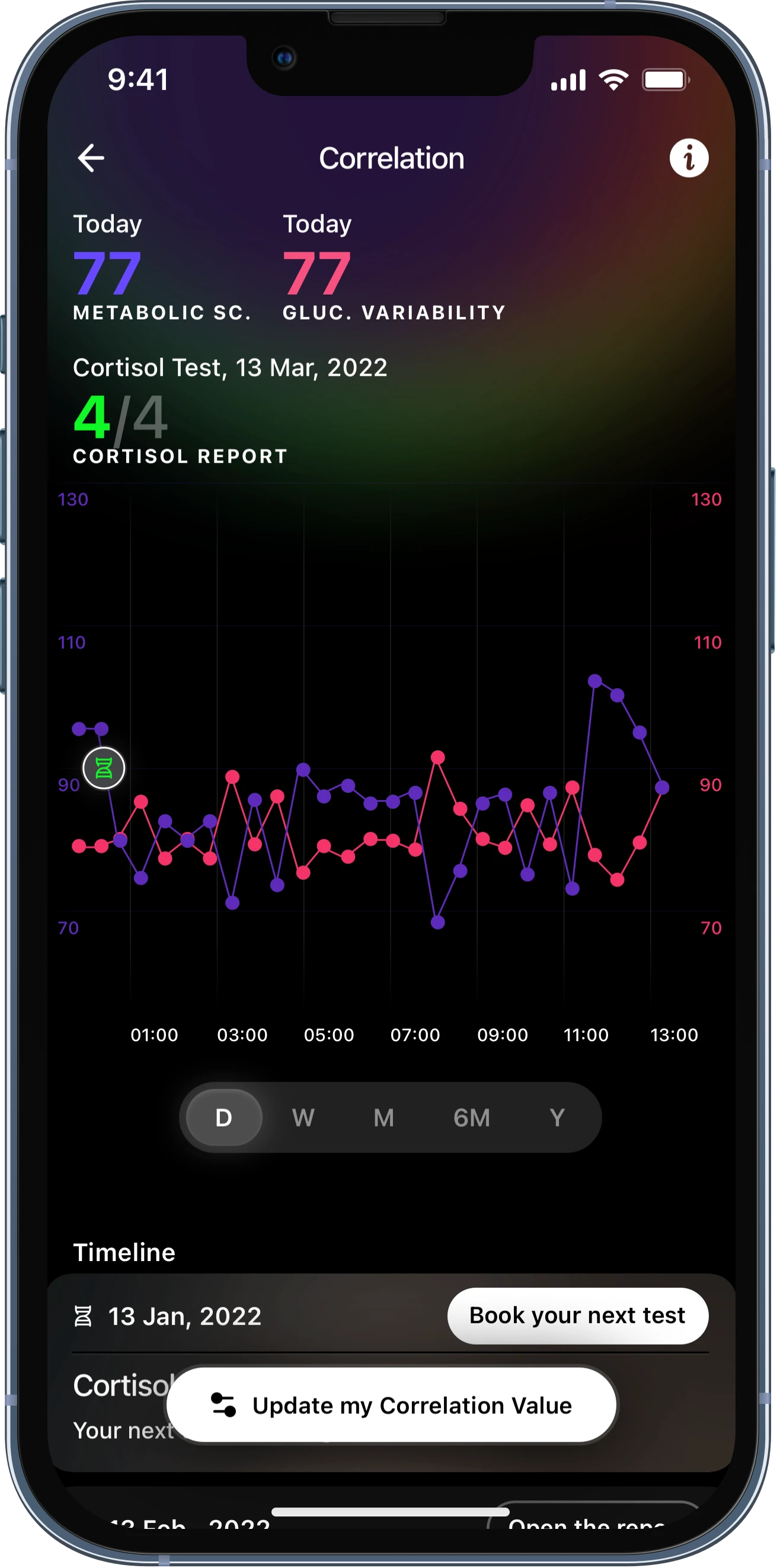
Blood diagnostics establish the internal operating state. Metabolic control, inflammatory load, hormonal balance, and cardiovascular risk are quantified at baseline and re-tested at defined intervals. Blood data defines non-negotiable constraints before any performance or recovery decisions are made.
BiometricMonitoring
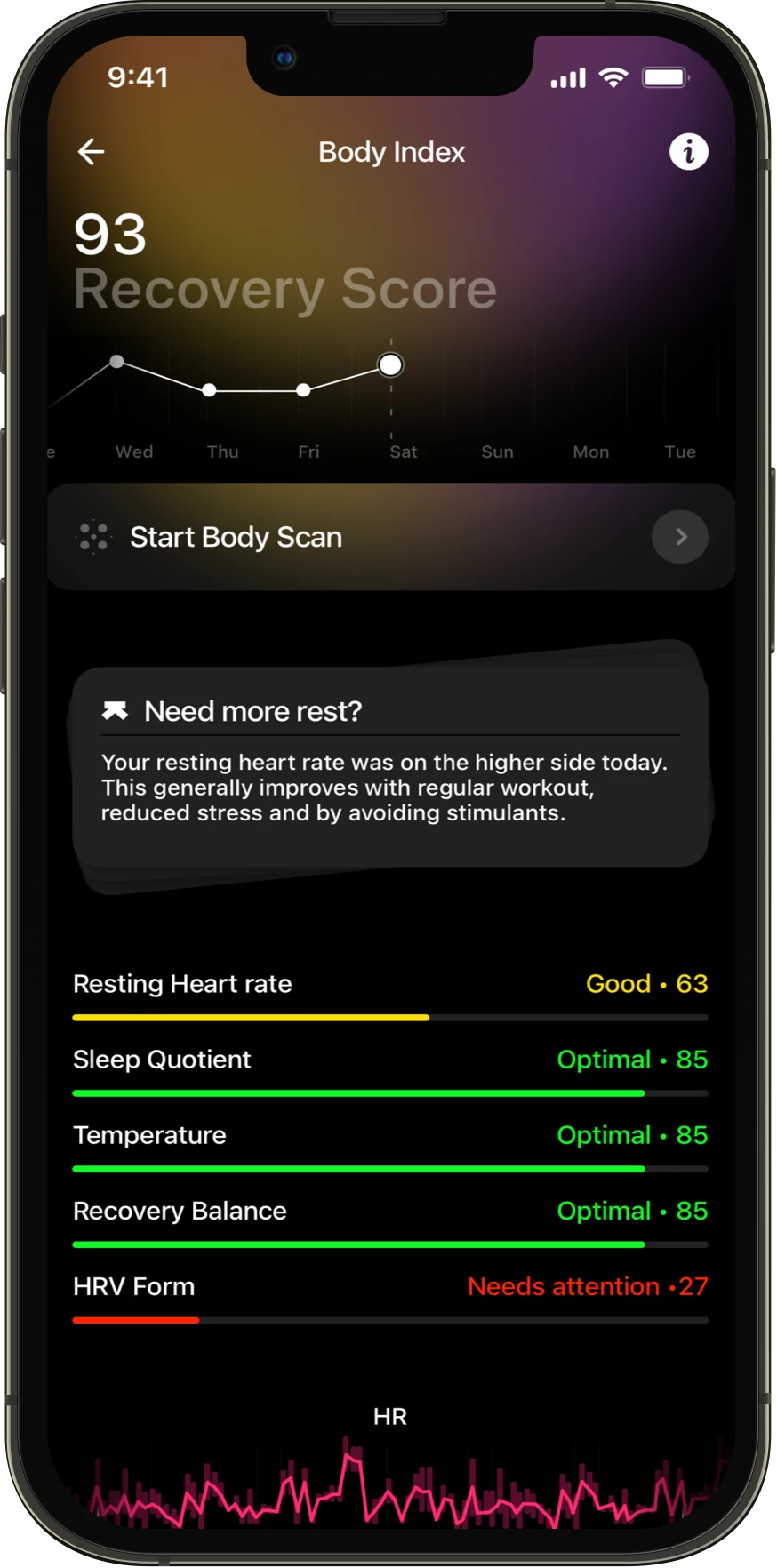
Continuous monitoring captures how the system behaves under real life. Recovery, stress, sleep architecture, and cardiac load are measured daily. Trends matter more than snapshots.
GlucoseMonitoring
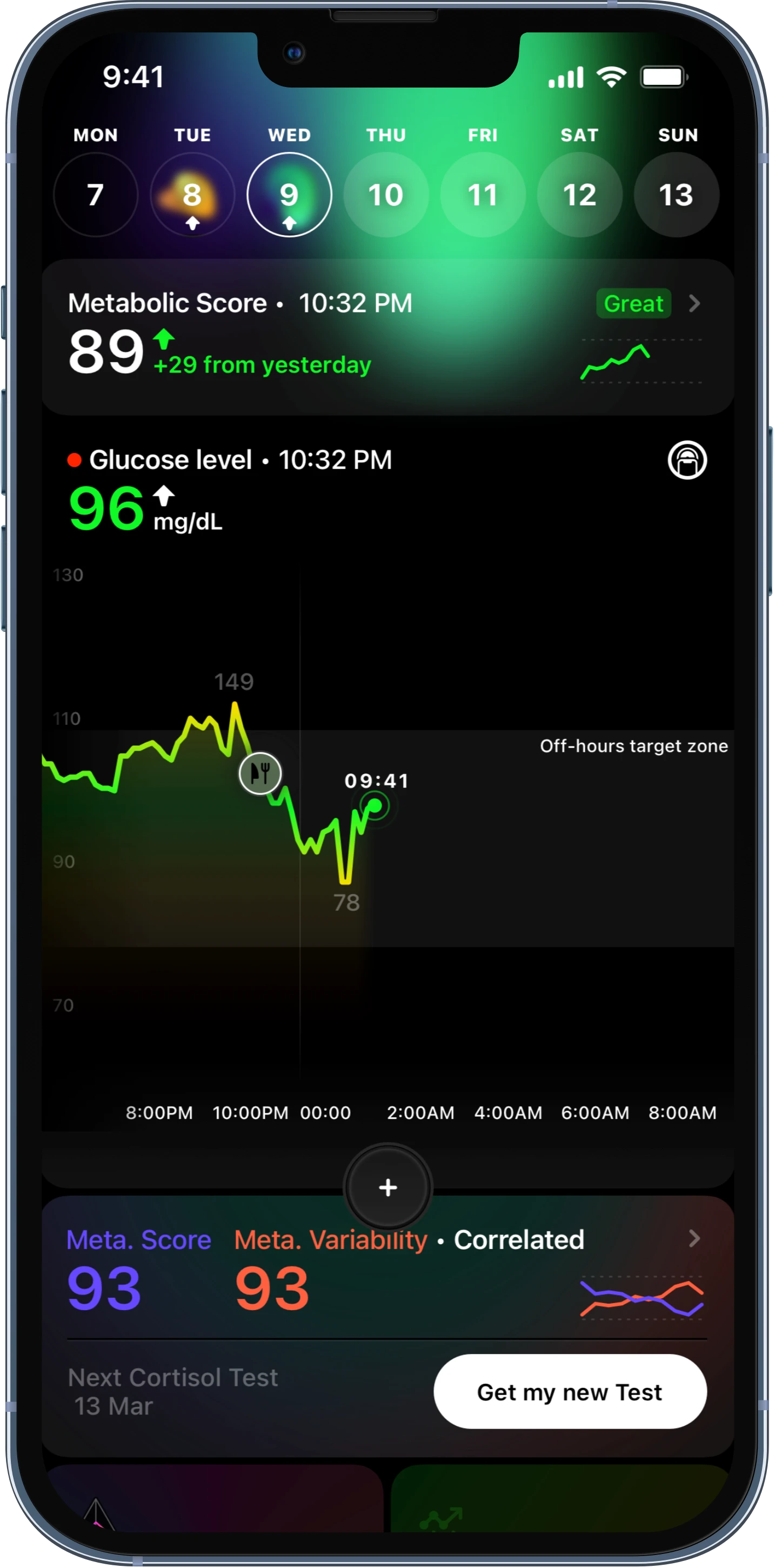
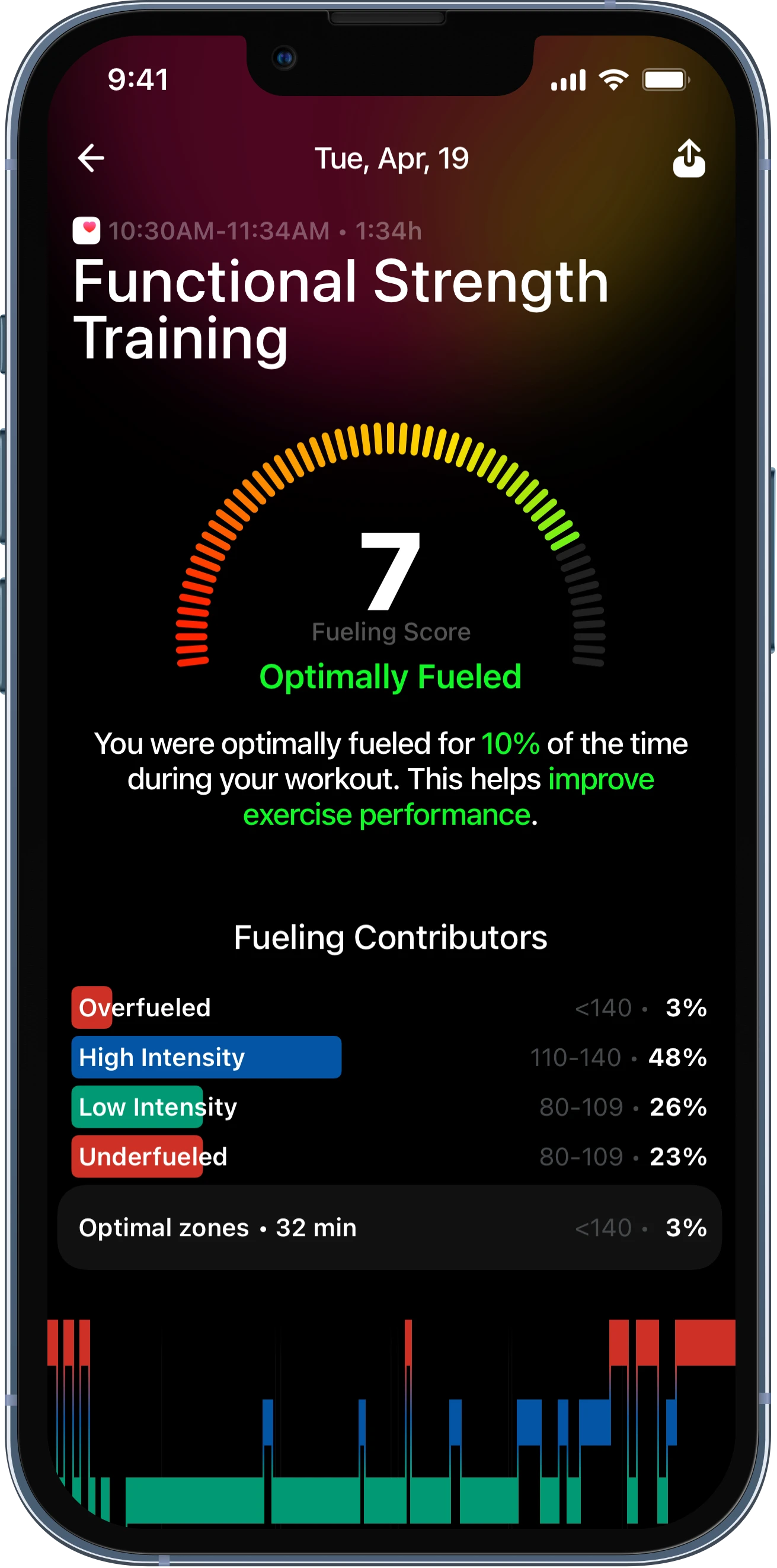
Continuous glucose monitoring reveals fuel behaviour in real time. Stability, variability, and recovery speed are prioritised over averages. Every meal, session, and stressor is traceable.
EnvironmentalAnalysis
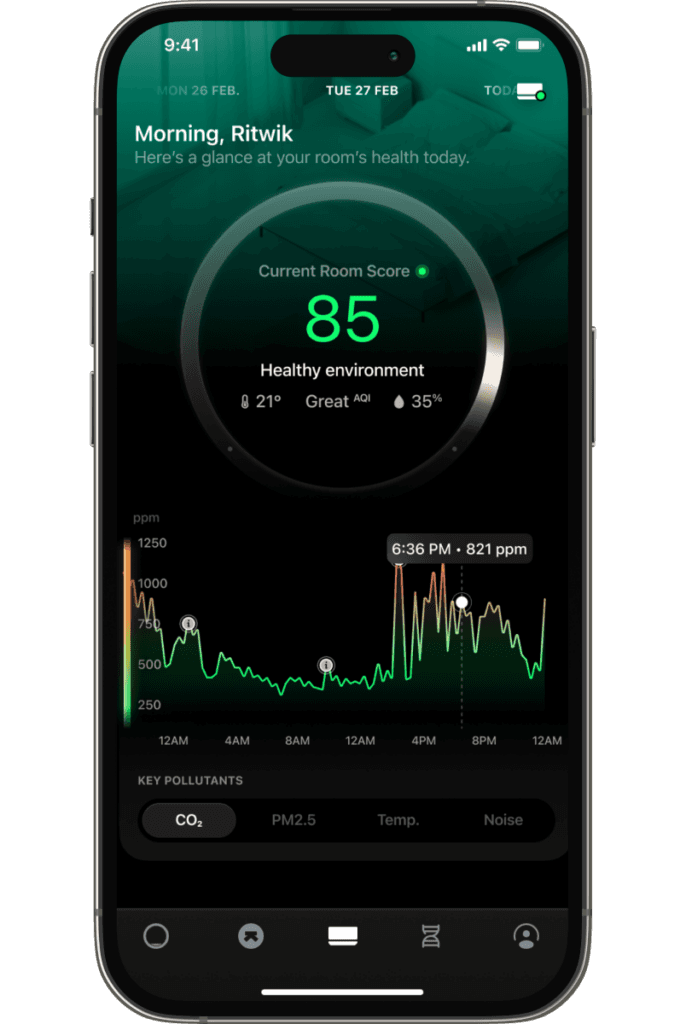
Environmental analysis measures background load outside training. Sleep conditions and ambient stressors are treated as performance variables. Recovery improves when environmental friction is removed.
PerformanceAnalysis
Performance analysis quantifies usable output and its physiological cost. Mechanical work, cardiovascular response, and fatigue accumulation are measured under load. Capacity increases by reducing inefficiency, not by adding stress.
All Work
Environmental Analysis
/
Environmental Analysis
Glucose Monitoring
Biometric Monitoring
Blood Diagnostics
Feed
/
List
BloodDiagnostics
Blood diagnostics establish the internal operating state. Metabolic control, inflammatory load, hormonal balance, and cardiovascular risk are quantified at baseline and re-tested at defined intervals. Blood data defines non-negotiable constraints before any performance or recovery decisions are made.
BiometricMonitoring
Continuous monitoring captures how the system behaves under real life. Recovery, stress, sleep architecture, and cardiac load are measured daily. Trends matter more than snapshots.
GlucoseMonitoring
Continuous glucose monitoring reveals fuel behaviour in real time. Stability, variability, and recovery speed are prioritised over averages. Every meal, session, and stressor is traceable.
EnvironmentalAnalysis
Environmental analysis measures background load outside training. Sleep conditions and ambient stressors are treated as performance variables. Recovery improves when environmental friction is removed.
PerformanceAnalysis
Performance analysis quantifies usable output and its physiological cost. Mechanical work, cardiovascular response, and fatigue accumulation are measured under load. Capacity increases by reducing inefficiency, not by adding stress.
All Work
Environmental Analysis
/
Environmental Analysis
Glucose Monitoring
Biometric Monitoring
Blood Diagnostics
Feed
/
List
BloodDiagnostics
Blood diagnostics establish the internal operating state. Metabolic control, inflammatory load, hormonal balance, and cardiovascular risk are quantified at baseline and re-tested at defined intervals. Blood data defines non-negotiable constraints before any performance or recovery decisions are made.
BiometricMonitoring
Continuous monitoring captures how the system behaves under real life. Recovery, stress, sleep architecture, and cardiac load are measured daily. Trends matter more than snapshots.
GlucoseMonitoring
Continuous glucose monitoring reveals fuel behaviour in real time. Stability, variability, and recovery speed are prioritised over averages. Every meal, session, and stressor is traceable.
EnvironmentalAnalysis
Environmental analysis measures background load outside training. Sleep conditions and ambient stressors are treated as performance variables. Recovery improves when environmental friction is removed.
PerformanceAnalysis
Performance analysis quantifies usable output and its physiological cost. Mechanical work, cardiovascular response, and fatigue accumulation are measured under load. Capacity increases by reducing inefficiency, not by adding stress.